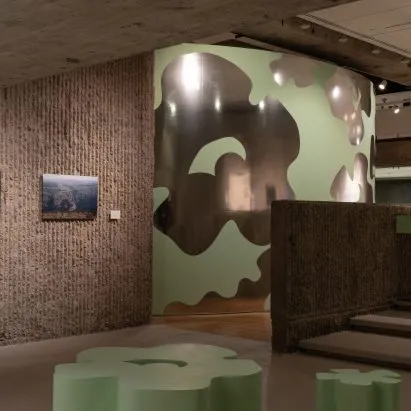
There's something quietly radical about placing a flower-covered theatre inside one of America's most celebrated brutalist buildings. But that's exactly what's happening at Yale's Paul Rudolph-designed architecture school in New Haven, where a striking new exhibition is shining a long-overdue light on a side of Denise Scott Brown that most people haven't seen.
More than an architect's eye
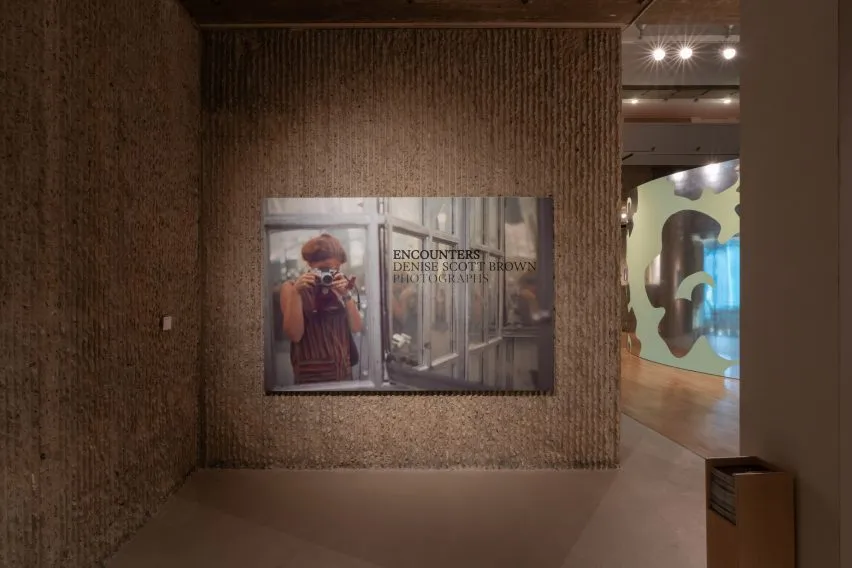
Scott Brown is a towering figure in architecture - a thinker, educator, and designer whose influence on the built environment is hard to overstate. But Encounters: Denise Scott Brown Photographs is specifically dedicated to her work behind the camera, repositioning her as a photographer in her own right rather than simply a designer who occasionally took pictures.
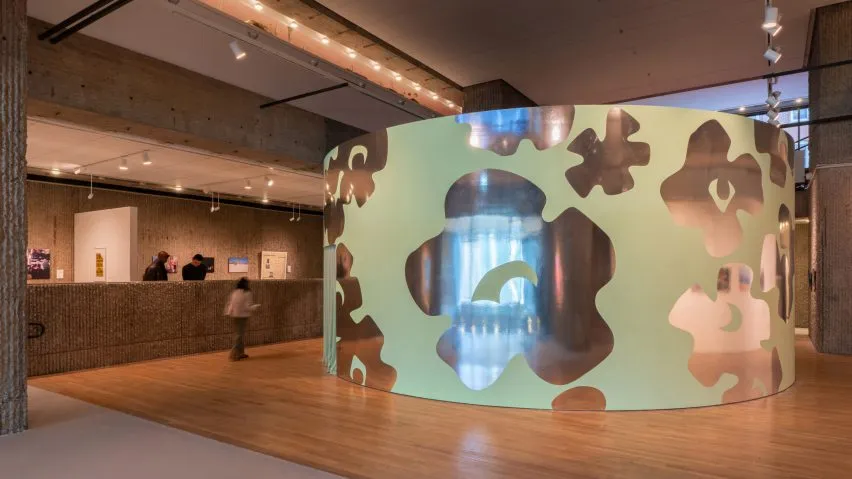
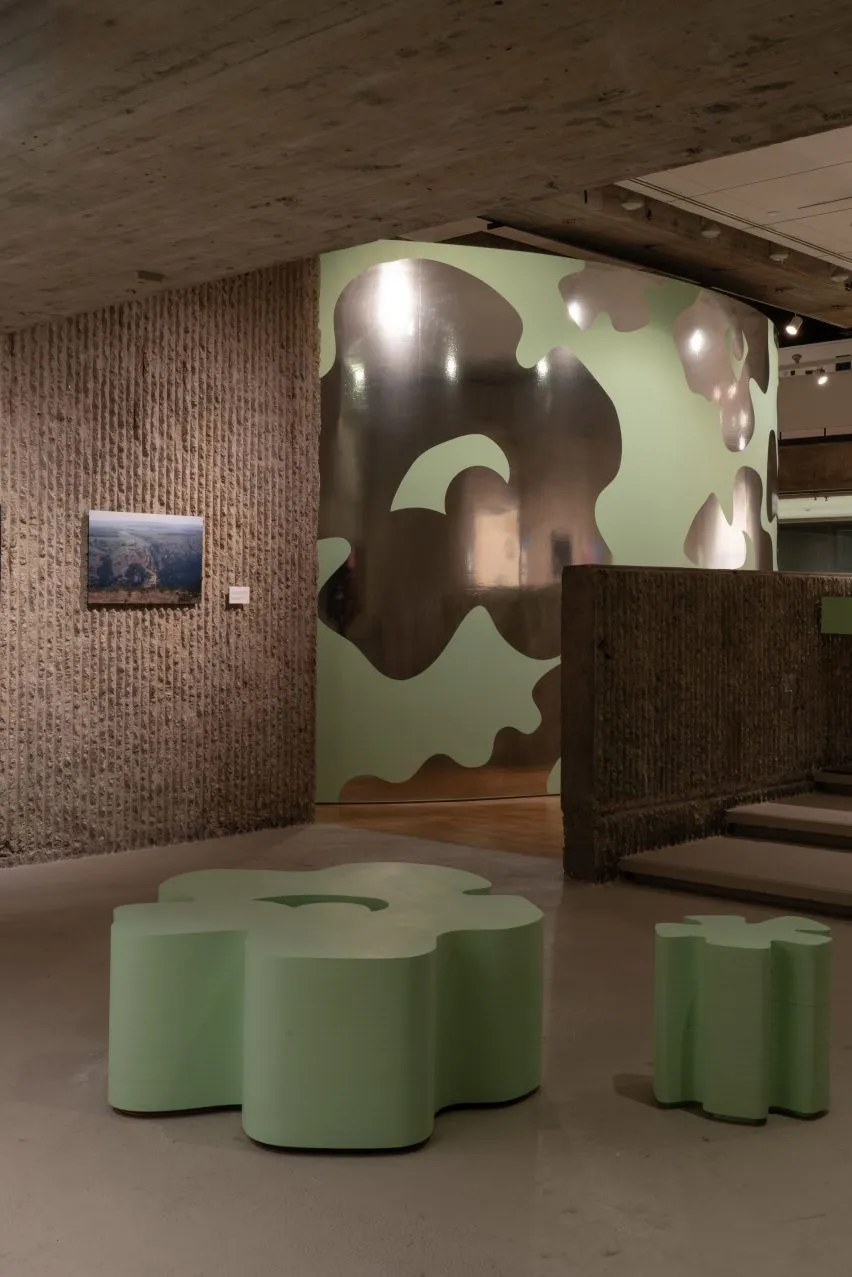
The centrepiece installation - a theatre draped in flowers - sits within the Paul Rudolph Hall building, creating a vivid contrast between organic softness and the raw, angular concrete that defines the space around it. It's the kind of curatorial move that makes you stop and actually look, which is very much the point.
Why this matters beyond architecture circles
For anyone interested in how creative people see the world, this exhibition is genuinely compelling. Photography has long been a tool architects use to understand space, culture, and the everyday - and Scott Brown was no different. Her photographs reportedly capture the kind of detail and human texture that feeds directly into how she and her long-time collaborator Robert Venturi approached design.
There's also a larger conversation happening here about recognition. Scott Brown has spoken publicly and candidly about being overlooked in favour of Venturi when it came to professional acknowledgment - most notably when Venturi alone received the Pritzker Prize in 1991, a slight that sparked debate across the architecture world that continues to this day. An exhibition dedicated entirely to her photographic vision feels like a meaningful, if small, act of rebalancing.
A setting that earns its keep
Hosting Encounters inside the Paul Rudolph building isn't just logistically convenient - it's conceptually smart. Rudolph's architecture is itself a study in bold, unapologetic form, making it a fitting backdrop for work that asks viewers to reconsider what they thought they already knew about a major creative figure.
If you're anywhere near New Haven, this one sounds worth the detour. And even if you're not, it's a good reminder that the most interesting creative work often lives just outside the frame we've been given.