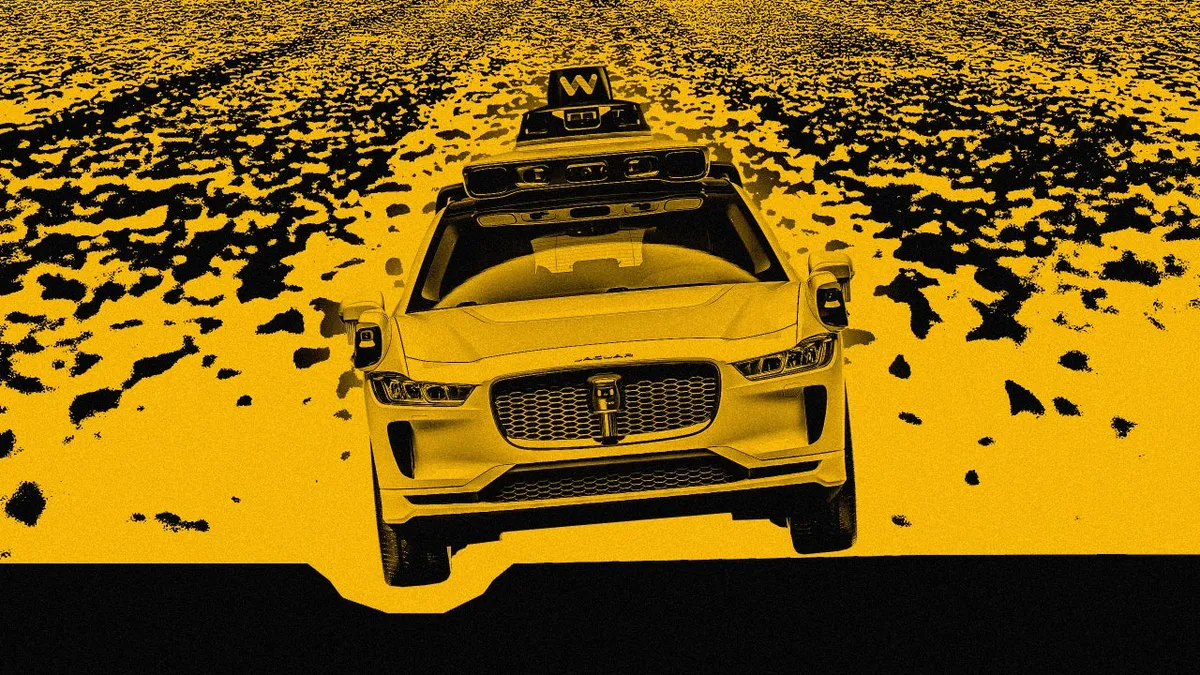
You know what's a silent killer of vibes, suspension systems, and Tuesday mornings? Potholes. Those smug little craters in the asphalt that your city has been "looking into fixing" since the Obama administration. Well, two of Alphabet's biggest babies just decided to do something about it.
Waymo and Waze announced a joint pilot program this week that will use data collected by Waymo's self-driving robotaxis to flag potholes directly on the Waze for Cities platform. As reported by Fast Company, the robotaxis are already rolling around packed with cameras, radar, and a whole sensor suite that could spot a rogue traffic cone from a block away - so detecting a pothole is practically a side quest for them.
The most overqualified pothole inspector in history
Think about it. These vehicles are basically rolling supercomputers designed to navigate the full chaos of human driving. And now, as a bonus feature, they're moonlighting as infrastructure quality control. That's like hiring a neurosurgeon and asking them to also check if the waiting room chairs are wobbly.
The data gets funneled into Waze for Cities, which is the version of Waze that gives local governments access to traffic and road condition insights. So in theory, your city could actually use this data to, revolutionary idea, fix the roads faster.
A very Alphabet way to solve a very old problem
It's worth noting that both Waze and Waymo are siblings under the Alphabet umbrella - Google's parent company. So this is less of a partnership and more of a family project. Like when your tech-savvy cousin builds a spreadsheet to organize Thanksgiving seating. Helpful, slightly extra, but you're not complaining.
This is also an additional tool for spotting potholes, not the only one. Cities already get reports from drivers, maintenance crews, and increasingly, other sensing technologies. But having a fleet of AI-powered vehicles passively cataloguing road damage as they go about their day? That's a pretty significant upgrade to the pothole detection pipeline.
Why this actually matters
Pothole damage costs drivers billions in vehicle repairs every year. Beyond the annoyance, they're genuinely dangerous - especially for cyclists and motorcyclists. Any system that gets that data into the hands of city planners faster is a legitimate win, even if it comes wrapped in the slightly surreal image of a driverless car filing a complaint about your city's roads.
The program is still in pilot phase, so don't expect your nearest pothole to disappear overnight. But the direction here is promising. When the robots start maintaining civilization instead of just disrupting it, maybe that's progress.