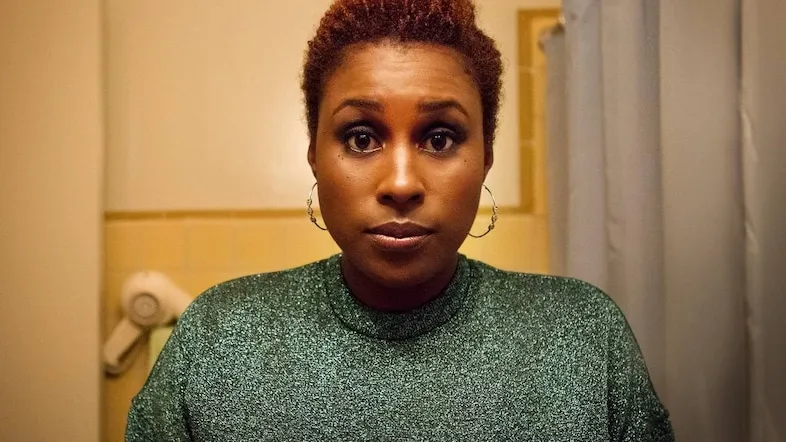
At 24, deciding to finally wear your natural hair sounds like it should be a simple, empowering moment. A glow-up origin story. A montage scene. But as Dazed Digital recently explored, the reality of going natural as a Black woman is way messier, way more political, and honestly way more interesting than any before-and-after reel would have you believe.
It starts with the hair, but it never stays there
The writer behind this piece made a very relatable call: biweekly silk presses are expensive, and the whole "I just don't know how to do my hair" excuse gets old fast. So she went natural. Easy enough, right? Except that choosing to wear your hair in its natural state, as a Black woman, immediately pulls you into a centuries-old conversation about identity, beauty standards, professionalism, and belonging. No pressure.
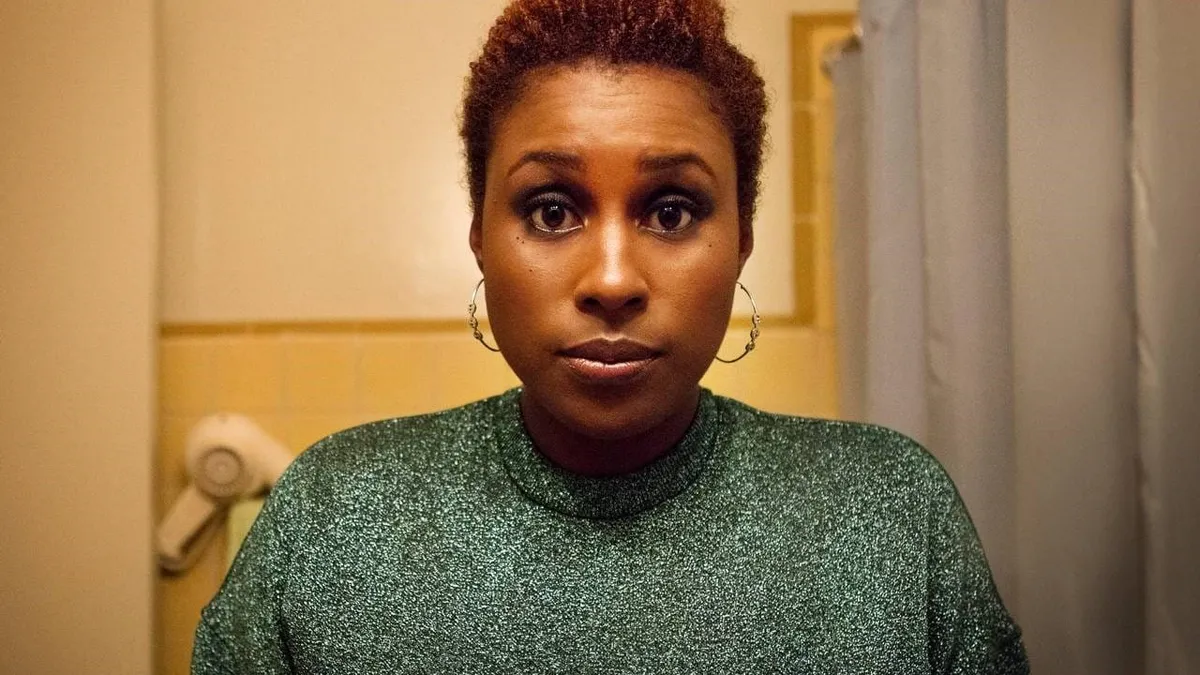
The moment your coils come out, so does everyone's opinion. Family members who side-eye you at dinner. Coworkers who call your afro "exotic" like it's a compliment. And then, on the other end of the spectrum, the online guardians of Blackness who have strong feelings about whether you're doing your natural hair journey correctly.
TikTok made it a whole debate
Here's where it gets spicy. Social media - TikTok especially - has created this bizarre dual pressure where Black hair is simultaneously over-celebrated and over-policed. Influencers build entire platforms around natural hair content, which is genuinely great for representation and product discovery. But it has also created a weird gatekeeping culture where certain textures are considered "more natural" than others, and certain styling choices get you dragged in the comments.
So now you're not just navigating white beauty standards. You're also navigating intra-community standards. Fun!
So what are we actually allowed to say?
That's the real question this piece is asking, and honestly it's a good one. The answer seems to be: it depends entirely on who's saying it, why they're saying it, and which corner of the internet they're saying it in. Which is not really an answer, but it is very much the reality.
What's clear is that Black hair - its care, its politics, its joy, its exhaustion - deserves nuanced, ongoing conversation. Not trend pieces. Not hot takes. Not "your hair looks so different!" from Karen in accounting. Actual, thoughtful conversation.
Going natural is personal. The discourse around it, though? That's communal. And right now, the community is still very much figuring out the rules.