Hollywood has opinions. Shocking, we know. But this time it's not about a snubbed Oscar nom or a director's cut controversy - it's about cold, hard corporate consolidation, and over 1,000 industry professionals are not having it.
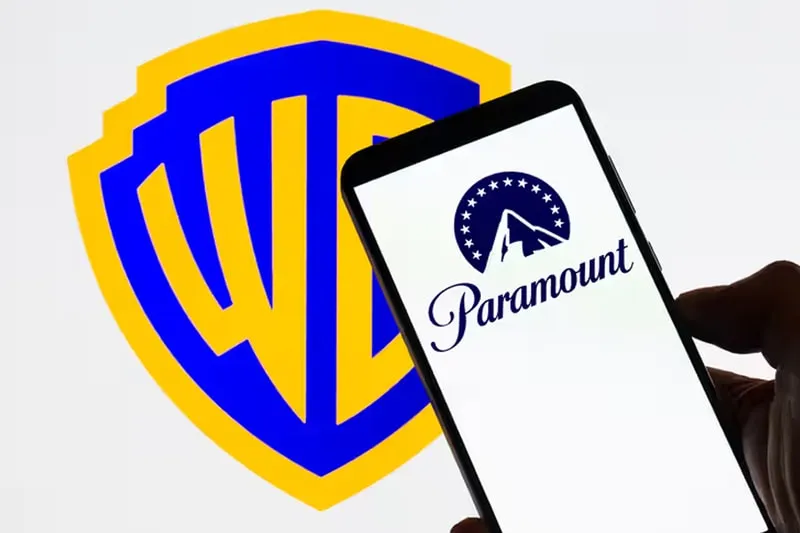
As reported by Hypebeast, more than a thousand filmmakers, actors, and creatives have signed an open letter flatly opposing the proposed $111 billion merger between Paramount Skydance and Warner Bros. Discovery. The letter isn't a polite nudge. It's an unequivocal no.
Why people are genuinely angry
The concern isn't abstract. If this deal goes through, the number of major U.S. film studios would shrink to just four. Four. That's not a marketplace, that's a dinner party guest list. The signatories argue the merger would wipe out jobs, choke off creative opportunities, and hand even more power to even fewer people at the top of the industry food chain.
Think about what that actually means in practice - fewer competing studios means fewer greenlit projects, fewer writers' rooms, fewer crews hired, and fewer weird, risky, actually-interesting films getting made. The kind of movies that don't star a CGI raccoon or end in a multiverse reveal.
The timing is deliberate
The open letter isn't just venting into the void. It's a calculated move designed to build momentum ahead of regulatory reviews and shareholder votes, which are the two big hurdles this merger still needs to clear. Getting a thousand high-profile names on record opposing it is the industry's way of saying: hey regulators, the people who actually make this stuff are watching you.
And the names attached carry weight. Denis Villeneuve - the guy who made Dune a cultural event twice - alongside Joaquin Phoenix and Ben Stiller signal this isn't just a fringe protest. It's mainstream industry resistance.
The bigger picture
This is part of a much longer, much more depressing story about media consolidation. Studios merging, streamers swallowing everything, and the middle layer of the industry - the mid-budget film, the original story, the creative risk - getting squeezed out year by year. The open letter is essentially a flare shot into the sky hoping someone with regulatory power notices before it's too late.
Whether it works is another question entirely. But at least someone's making noise while the paperwork is still being drawn up.