Nothing says "we're a bold, boundary-pushing publication" quite like... replacing actual humans with AI-generated knockoffs of them. Los Angeles magazine apparently didn't get that memo.
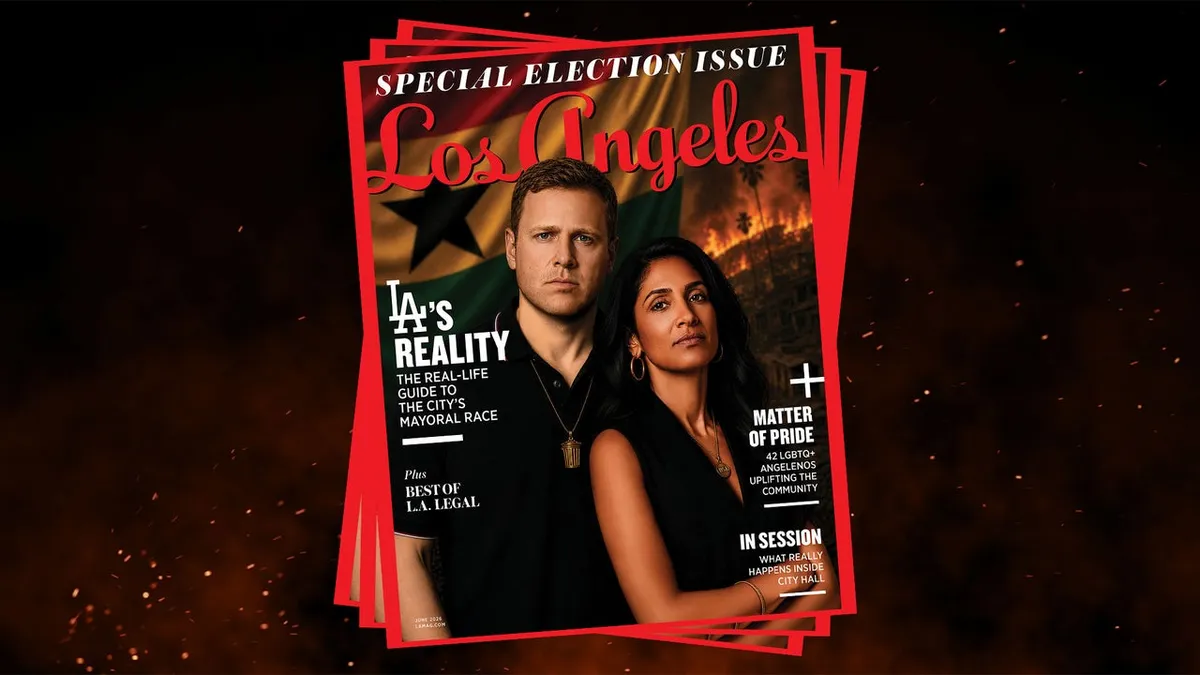
According to Fast Company, the outlet's special election issue featured mayoral candidates Nithya Raman and Spencer Pratt on the cover. Sounds normal enough, right? Except - and here's the twist nobody asked for - neither of them actually posed for it. The cover used AI-generated versions of the real candidates instead.
So... why?
Presumably the idea was to be provocative or make some kind of statement about AI's role in politics or media. You know, subversive. Edgy. Conversation-starting. The problem is that the conversation it started was almost entirely "what were they thinking?"
The cover reportedly has that unmistakable AI-collage look - the kind that makes your eyes do a little double-take before your brain catches up. Not exactly the sleek, confident aesthetic you'd want for a political feature meant to be taken seriously.
The internet had thoughts
Backlash was swift and, honestly, pretty predictable. The sentiment that kept surfacing online - "hire a damn artist" - is basically a battle cry at this point whenever a publication swaps out human creative work for generated imagery. And this case gave people extra ammunition, because it wasn't just replacing a generic illustration. It was replacing the actual faces of real political candidates with AI versions of those faces.
That's a different level of weird. These are real people running for real office. Using AI likenesses of them - without, presumably, their enthusiastic sign-off on looking slightly uncanny in a magazine - raises questions well beyond "should we have just called a photographer."
The bigger problem nobody wants to say out loud
AI-generated images are absolutely everywhere online at this point. But magazines occupy a different cultural space - they're supposed to represent craft, curation, and editorial judgment. When a publication chooses AI over a local photographer or illustrator, it's not just a stylistic call. It's a signal about what they value. And right now, readers are very loudly signaling back that they don't love the answer.
The irony is that trying to make a statement about AI in politics by using AI on a political cover might have actually worked - if the execution hadn't read as a bit of a mess. Instead of thought-provoking, it landed as tone-deaf. A swing and a miss, rendered in uncanny valley HD.
Somewhere, a Los Angeles-based photographer and a local illustrator are staring at their phones with a very specific kind of frustration.