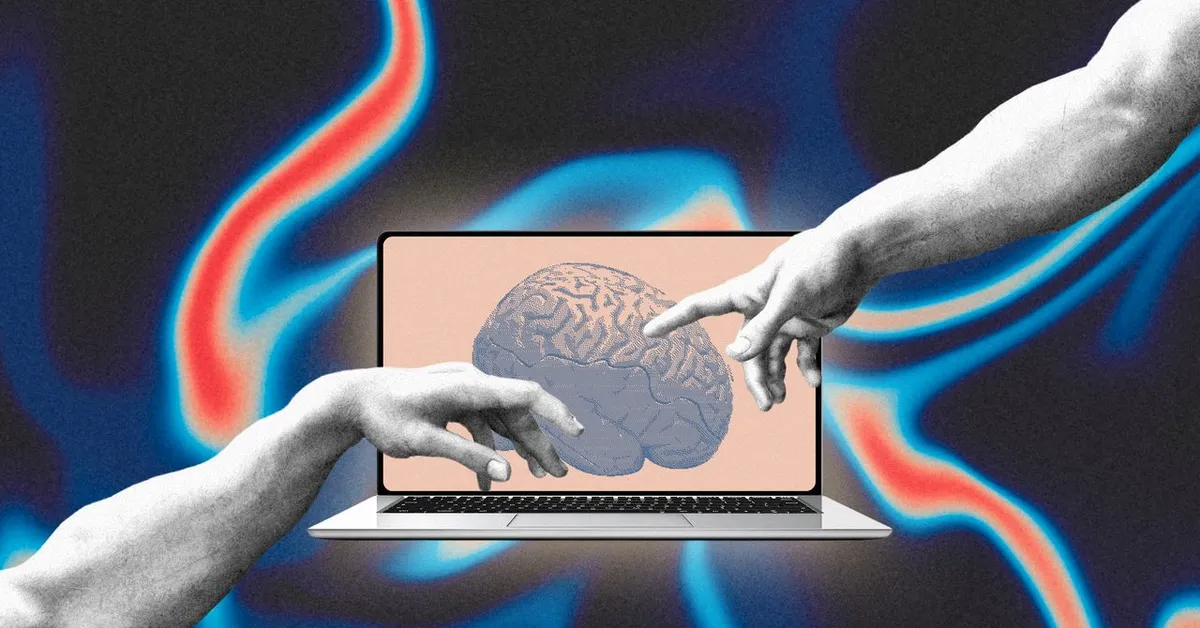
Here's a hot take that will either make you nod along or throw your phone across the room: Gen Z might not be worse at understanding truth, they might just be operating with a completely different definition of it.
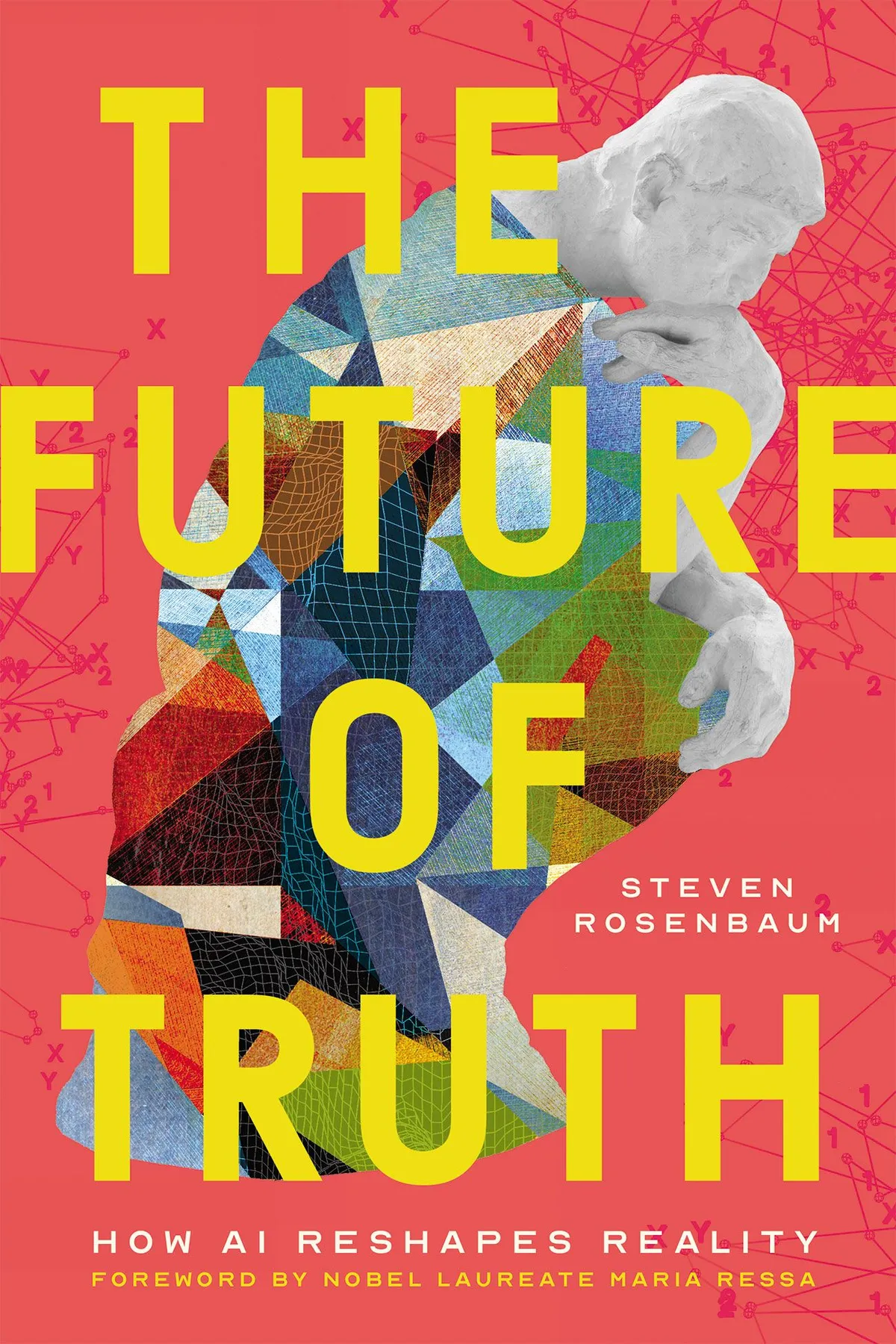
According to a piece over at Wired, drawing from Steven Rosenbaum's upcoming book, the first generation to genuinely grow up inside the internet - not just adjacent to it - has developed a relationship with truth that fuses facts and feelings in ways that make older generations deeply uncomfortable. And no, that's not necessarily a compliment. But it's not entirely a criticism either.
The algorithm raised them, not Walter Cronkite
Previous generations got their truth delivered in neat, authoritative packages - a nightly news anchor, a newspaper editor, a teacher with a projector and a single approved textbook. Gen Z got TikTok rabbit holes, Reddit threads, Instagram infographics designed by a 19-year-old with Canva, and a constant flood of contradictory information fighting for emotional real estate in their brains.
The result? A generation that has essentially learned to feel their way toward what's true, blending emotional resonance with factual evidence in a way that drives data-heads absolutely bananas.
Is this a bug or a feature?
Before you start drafting your furious comment, consider this: the blending of facts and feelings isn't exactly new. Humans have always filtered reality through emotion and identity. Gen Z has just made the process visible - and loudly, publicly online.
The real concern raised here isn't that young people are uniquely gullible. It's that the social media ecosystem they inhabit is architecturally designed to reward emotional engagement over accuracy. Outrage gets shared. Nuance gets scrolled past. The platform incentives are baked in, and an entire generation is navigating truth inside a system that was never built to deliver it.
Why this actually matters to everyone
Here's where it stops being a generational drama and starts being everyone's problem. The frameworks Gen Z is developing for processing truth - however messy - are going to shape journalism, politics, science communication, and public discourse for the next several decades. If their relationship with truth is shifting at a foundational level, the institutions that depend on shared reality had better start paying attention fast.
Dismissing it as "kids these days" is the intellectual equivalent of going to bed with a smoke alarm beeping and just pulling the battery out. Technically quieter. Not actually safer.
The future of truth is being negotiated right now, in group chats and comment sections, by people who grew up watching adults lie confidently on television. Maybe cut them a little slack - while also, you know, being genuinely worried about it.